TRANSFORMATION
SESSION 1
1st Module: Organisational Performance Today
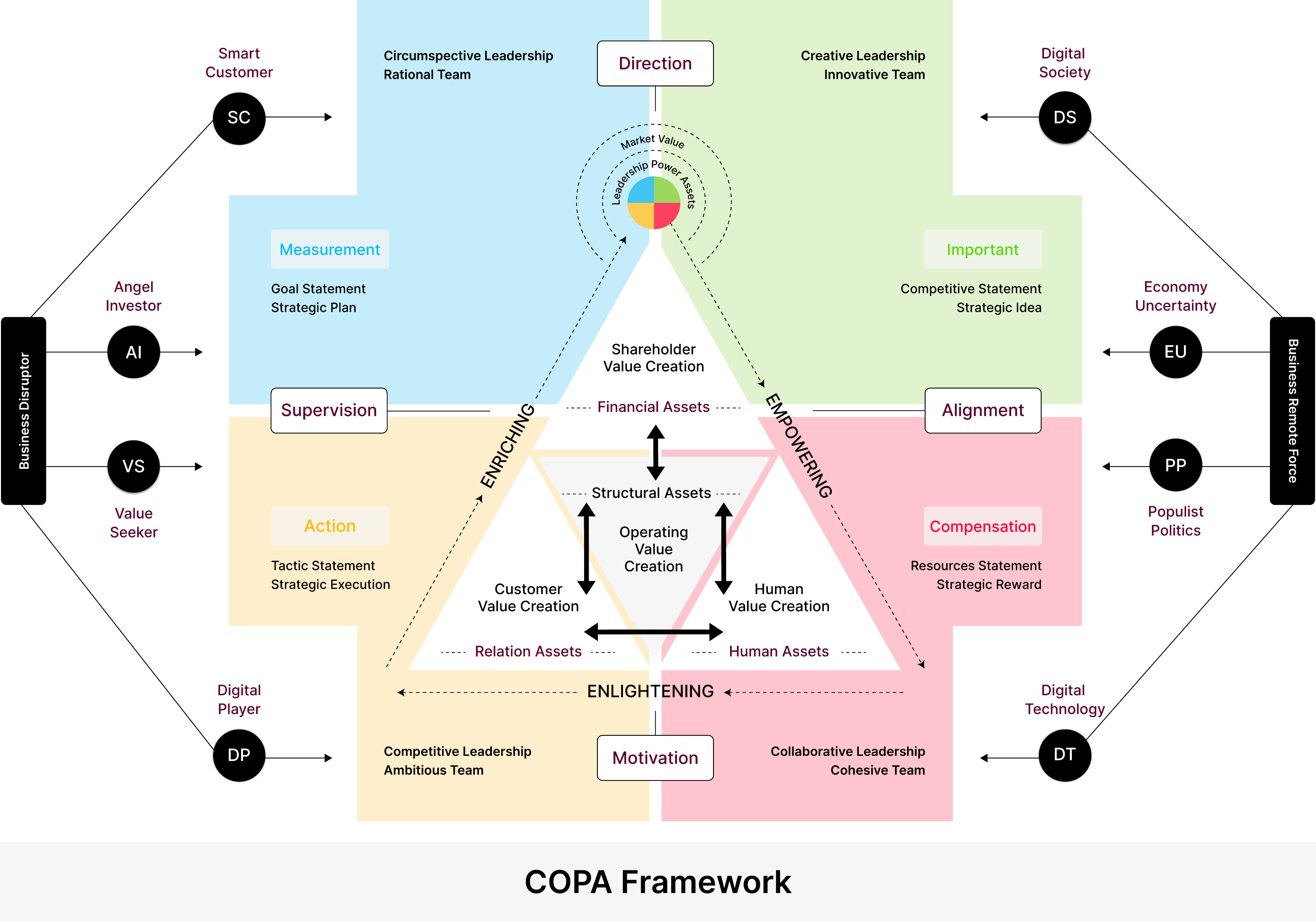
Assess current performance and identify opportunities for sustainable value creation. Is our performance sustainable or are we consuming the future to fund the present?
2nd Module: Financial Statement Analysis
Interpret financial statements and ratios to evaluate financial health. What do our statements reveal and what do they conceal?
3rd Module: Market Value Added Analysis
Analyse how business decisions create enterprise and shareholder value. Are we creating enterprise value or merely consuming capital?
4th Module: Strategic Profitability Analysis
Identify the key drivers of sustainable profitability and provide direction for improvement. Which profit drivers are sustainable and which consume tomorrow’s capabilities?